
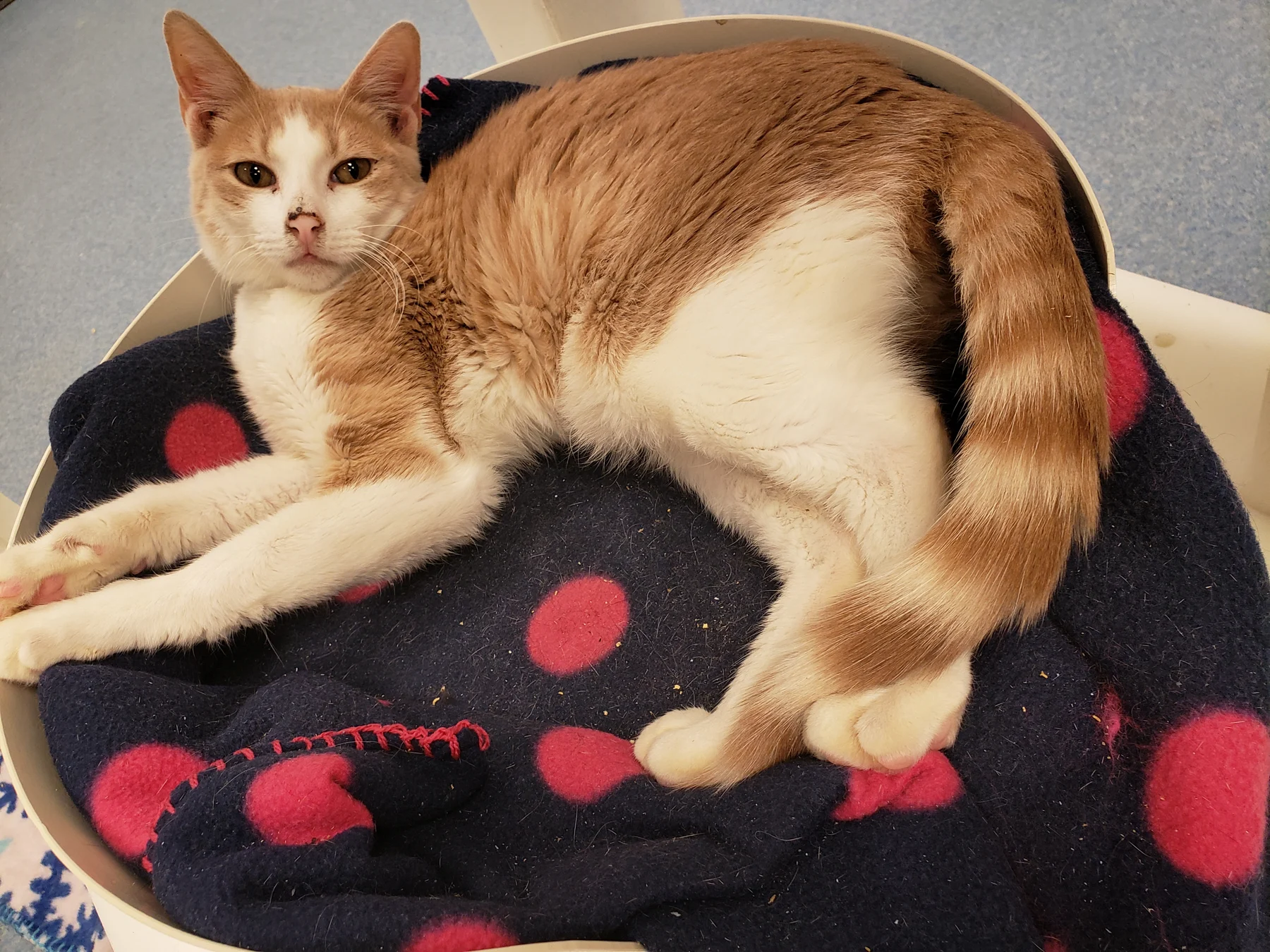
Handbooks, medical guides, behavior support, and more. Consolidated so you're never hunting across multiple pages. Use the guide below or reach out to the foster team anytime.
Everything you need to
foster a cat, in one place.
CAT FOSTER RESOURCES- PALM VALLEY ANIMAL SOCIETY
Many thanks to Austin Pets Alive!, whose original documents many of these reources were adapted from.
WHAT'S IN THIS GUIDE
Six sections covering everything you'll need
Tap any section in the accordion below to read the full guide.
Getting Started
Responsibilities · Dos & Don'ts · Emergency levels · Lost cat protocol
Cat Foster FAQ
General · Kittens · Adoption process · Medical · Cleaning
Medical Support
Calicivirus · FeLV · Panleukopenia · Ringworm · Sarcoptic Mange
Puppies & Pregnant Mamas
Feeding · Supplementing · Growth chart · Socializing · Labor & delivery · Fading kitten
Working Cats
What they are · Requirements · Adoption process · FAQs
Marketing Your Foster Pet
Photos | Bios | Social sharing | Finding adopters
Getting Started
4 guides
Cat Foster Basics: Your Responsibilities
Your three core responsibilities as a cat foster can be summed up by the 3 H's:
Happy
Most cats coming from the shelter are scared and stressed, but you can teach your foster to love the company of humans. Your shy kitty will blossom if you provide lots of petting, brushing, playing, and treats. Timid cats benefit from being confined to a small space — like a bathroom — at first while they get comfortable. When your foster greets you with a purr and a head butt, you've succeeded.
Healthy
Your foster may need regular booster vaccines, spay/neuter, flea medicine, and other care. You'll receive an email when you take in a new cat explaining exactly what medical needs they have and when things are due. If your cat is showing ANY signs of illness (sneezing, vomiting, diarrhea, not eating, runny eyes or nose, hair loss, urinating out of the box, losing weight, fleas), email the foster team immediately. A cat's health can deteriorate in hours.
Home
Once your kitty is happy and healthy, it's time to find them a home. Provide at least 3 photos and a description of each cat within two weeks of receiving them — even if they're not yet ready for adoption. Email photos and description to foster@pvastx.org. See the Foster Pet Marketing page for full guidance.
Questions: foster@pvastx.org · 956-330-3206
Cat Foster Dos & Don'ts
Do
- Carefully review all PVAS cat foster communications and resources and follow the rules therein
- Understand that cats often need time to settle in and adjust to a new routine
- Make sure any resident animal is fully vaccinated before fostering
- Keep your foster cat separated from any resident animal for at least the first 10 days (longer if showing signs of illness)
- Immediately notify the Foster Team if your foster is showing any sign of illness, injury, or behavioral challenge — including patches of missing fur
- Give the Foster Team at least 4 days advance notice if you need to rehome your foster or need a sitter. Also post in the PVAS Volunteer & Foster Facebook group
- Email photos, videos, and bio information to market your foster cat
- Respond to ALL adoption inquiries within 24 hours
- Always let potential adopters know there may be other adoption interest — setting expectations is key
- Immediately notify the Foster Team if you want to adopt your foster cat
- Immediately report any bite per the Foster Bite Protocol
- Immediately report if your foster cat is lost or stolen
Don't
- Forget to check your email — PVAS reaches out about program changes and needed medical care
- Allow your foster cat outside unless secured in a crate and supervised (e.g., for medical transport)
- Introduce your foster to any animal other than your own resident animals
- Travel out of the area with your foster without express written permission from the Foster Team
- Hand off your foster to a sitter, another foster, or any other person without Foster Team permission — sitters must be PVAS-approved fosters
- Use boarding facilities, groomers, or third-party care providers without express written permission
- Let a potential adopter take your foster on a trial basis — your foster must remain in the custody of a PVAS-approved foster until officially adopted
- Use aversive behavior modification tools
Levels of Emergency
Use this guide to determine when and how to contact the Foster Team.
Red Flags — Email the Foster Team
Concerning but not immediately life-threatening. Email foster@pvastx.org:
- Decrease in appetite or missing a meal
- Diarrhea not improving within 72 hours
- Very watery or explosive diarrhea (even once)
- Bloody diarrhea
- Sneezing, eye or nasal discharge
- Vomiting (unless excessive — see emergencies)
- Sudden weight loss or loss of interest in playing
- Any patches of missing fur
Emergencies — Call or Text Immediately
Business hours (Mon–Sun, 9am–7pm): Call or text 956-330-3206
Outside business hours: Leave a voicemail or text 956-330-3206 AND email foster@pvastx.org
Emergency symptoms — act immediately
- Seizures
- White or gray gums (normal gum color is pink)
- Lethargy or unresponsiveness
- Gasping for breath or labored breathing
- Excessive vomiting
- Extreme cold to the touch (kittens)
- Temperature above 102°F at rest
- Fading kitten/puppy symptoms — see Fading Kitten Protocol
Emergency: 956-330-3206 (call or text) · foster@pvastx.org
Lost Cat Protocol
If you have lost your foster cat, immediately contact the Foster Team at foster@pvastx.org. Losing a cat is frightening, but try not to panic. Swift action coupled with neighborhood networking will increase the odds of recovery.
Key behaviors to know
A lost indoor cat is likely still close to home or still inside hiding. Cats tend to find the nearest hiding place and stay put until it feels safe or they're hungry enough to return. Cats may not act like their indoor selves outdoors.
Step 1 — Search Your Home
Don't immediately assume they've escaped. Check every room, shelf, closet, drawer, trunk, box, and behind unmovable furniture. Cats can squeeze into incredibly small spaces.
Step 2 — Search Your Yard
A lost indoor cat that escaped outdoors is typically within 150 feet of the initial escape point. Think like a cat: where is the closest cover? Use a flashlight — the beam may reflect off their eyes. Leave the escape door/window open if possible so they can return the same way. If not, set a humane trap near the escape route overnight. Search during the day; lure at night using food inside a trap.
Step 3 — Expand the Search
Extend your radius to roughly 500 feet from home.
Step 4 — Talk to Your Neighbors
Ask permission to walk into neighboring yards and check garages, hedges, crawlspaces, and decks. You will search more thoroughly than neighbors will.
Step 5 — Make Flyers
Include a color photo, brief description, and your cell number. Add phrases like "Do Not Chase" and "Call upon sighting." Print on fluorescent poster board to catch drivers' eyes. Post where visible from the road.
Step 6 — Use Social Media
Post on Nextdoor and these RGV Facebook groups:
- Lost and Found Pets of the RGV
- RGV Pet Alert Lost and Found
- RGV Pet Lovers (adopt, lost and found)
- RGV Reunite Lost Pets
- RGV Lost Pets
- RGV Kitty Lovers (lost, found, rehome)
Report immediately: foster@pvastx.org · 956-330-3206
Cat Foster FAQ
5 sections
General Questions
I just brought my foster cat home. Now what?
Give them a calm place to relax — usually a bathroom or guest space — with access to food, water, and a litter box. All cats coming from the shelter must go through a 10–14 day quarantine apart from all other pets. Even if they look healthy, they may be incubating illness. Quarantine in an easy-to-sanitize area.
How long of a commitment am I making?
It varies. For kittens, it depends on their age — 7-week-olds might be adopted within a week of arrival; 2-week-olds could mean 6+ weeks with you. Adult cat timelines vary widely. The more marketing you help with, the faster placement happens. Give at least a week's notice if you need to transfer your foster.
Is there an online group for PVAS fosters?
Yes — PVAS Volunteers and Fosters on Facebook. Post photos, ask questions, find sitters, and get updates.
How do I find out which cats are available to foster?
PVAS sends regular "foster plea" emails and posts needs in the Facebook group. To offer to foster, email foster@pvastx.org.
What do I do if I have to go out of town?
Sitters must be PVAS-approved fosters. Email foster@pvastx.org one week in advance with: start/end dates, current medications, feeding status (bottle baby, syringe gruel, independent eater, or nursing mom), and a photo. Fosters are NOT permitted to take neonatal fosters out of town — you must request a babysitter.
What do I need to foster a cat?
Food, water, and bowls · Cat litter, litter box, and scoop · Toys · Scratching post
Can I foster more than one group at a time?
Sometimes, at staff discretion. Start with one litter to get familiar with PVAS procedures. Once experienced, you may foster up to two groups — provided you have room to keep them separate from each other and from resident pets.
I have resident cats. Can I still foster?
Yes. You need a separate space (bathroom, spare bedroom). After a 10–14 day isolation period, if everyone is symptom-free and medication-free, vaccinated resident cats can be introduced under supervision.
Can my foster cat meet my dog?
If your dog is cat-friendly and you're fostering an adult cat, supervised introductions are okay. Foster kittens may not meet dogs — even friendly dogs can unintentionally injure a kitten. Pregnant or nursing moms must be kept separate from all other animals at all times.
I need to return my foster. What do I do?
Foster kittens cannot simply be returned to PVAS — we may not have space, and the shelter environment risks illness in developing immune systems. Email foster@pvastx.org with: the date you need the foster moved, current medications, feeding status, and a photo. Give as much notice as possible.
Why isn't my foster cat being social?
Cats sometimes take weeks to adjust, especially those needing socialization. Try a bathroom or closet to limit hiding spots. Use treats and toys to build positive associations. Never force interaction — let your cat open up on their own schedule.
Kitten Questions
Why are there so many orphaned kittens?
Kittens need constant care that shelter staff can't adequately provide. Their developing immune systems are more vulnerable to shelter illness and stress. Foster homes reduce exposure to illness and allow one-on-one care that saves lives.
What do I feed my kittens?
Bottle babies (up to ~4 weeks): KMR (kitten milk replacer). Once canine teeth are fully in: premium canned kitten food (pate style) mixed with water to applesauce consistency. Always leave kibble available once teeth are in. See the Feeding Kittens guide for full details.
How much do kittens need to eat?
- Bottle babies & syringe gruel kittens: 5% of body weight at each feeding. Weigh before and after every feeding.
- Bottle babies: every 2–3 hours during the day, one longer period (up to 6 hours) overnight
- Syringe gruel kittens: every 4–6 hours during the day, up to 8 hours overnight
- Independent eaters: fresh food every 6 hours, plus kibble and water available at all times
How do I kitten-proof my home?
Watch for: reclining or rocking chairs, toilets and drains, doors and exits, dogs, washers and dryers, appliances with gaps, small objects (rubber bands, paper clips), chemicals and cleaners, houseplants (many are toxic), and electrical cords.
My kitten is lethargic and cold and I can't rouse them. What do I do?
Start the Fading Kitten Protocol immediately. Once you have the kitten wrapped and on heat with sugar-water drops every 3 minutes, call 956-330-3206. See the Fading Kitten Protocol guide in the Kittens section.
Do I get to name my foster kittens?
If you foster a pregnant cat, you can name her kittens once born — PVAS will assign a litter letter/number and names must start with that letter. All other cats and kittens are named by staff.
Can I only foster one kitten?
Generally no — kittens do better in pairs or groups of at least two for appropriate socialization. PVAS will find a buddy in the same age and weight range once quarantine is over.
I work full-time. Can I still foster neonatal kittens?
Yes, if you can maintain the feeding schedule. Bottle babies need feeding every 2–3 hours during the day; syringe gruel kittens every 4–6 hours. If this doesn't work, consider fostering pregnant/nursing moms (supplementing only twice a day) or kittens over ~8 weeks who don't need hand-feeding.
Adoption Process
When do foster kittens go to their adoptive homes?
Adoptions must be officially approved and all fees paid before a kitten can go home. Transfer the animal as soon as possible once approved and notify PVAS staff of any delays.
How do I get my cat adopted?
Visit the Foster Pet Marketing page for tips and tools.
Can I pick the best adopter?
PVAS adopts on a first come, first served basis to avoid personal biases affecting placement. If you have genuine concerns about a specific adopter, email foster@pvastx.org — they want to hear concerns, but the open adoption process ensures all qualified families get a fair chance.
Can I or a family member adopt my foster kittens?
Absolutely — fosters always have first dibs on their foster pet. You still need to go through the official adoption process, and the pet must remain in your possession until the adoption is complete.
Can I advertise my kittens on social media?
Yes! See the foster marketing page for guidance.
Medical Questions
Can you make sure my foster is healthy before I take them?
PVAS does its best to identify and begin treatment for illnesses before placement, but this isn't always possible. Shelters are stressful and stress affects the immune system. Most illnesses have incubation periods, so cats that appear healthy may develop illness in foster. Kittens' immune systems are still developing — mild illness (diarrhea, URI, ringworm) is very common. If matched with a cat who develops mild to moderate symptoms, PVAS needs you to continue fostering and treat them — with their help of course.
I'm concerned about ringworm. Can you screen for it?
Ringworm is very common in Texas. PVAS will do its best to match you with ringworm-free kittens, but if they develop it in foster, continued fostering and treatment (with PVAS support) is needed. See the Ringworm guide in the Medical section for full information.
I'm worried about spreading disease to my resident cats. How can I protect them?
Keep resident cats current on core vaccinations (required if they'll interact with fosters). Comply with isolation period requirements. Practice good sanitation — wash hands, don't share items between fosters and residents, clean frequently. If still concerned, keep foster kittens separate from resident cats the entire placement.
My kitten has mild symptoms. What do I do?
Email foster@pvastx.org. The foster team will respond as soon as possible with next steps.
Cleaning & Disinfection
What cleaning products can I use?
Start with an all-purpose cleaner like 409 or Simple Green. Both are pet-safe and kill most germs. For ringworm, use a diluted bleach solution (1 part bleach to 10 parts water) on hard surfaces and add color-safe bleach to laundry. For panleukopenia (feline parvo), bleach at a 30:1 ratio (water:bleach) is required — see the Panleukopenia guide for the full disinfection protocol.
What if my foster had a contagious illness — how long before I can take another foster?
Calicivirus: Foster home must be calici-free for 6+ months before housing unvaccinated cats or those with fewer than two vaccines.
Panleukopenia: Foster home must be panleuk-free for 6+ months before housing unvaccinated cats or those with fewer than two vaccines.
Contact the foster team for guidance specific to your situation.
Medical Support
5 guides
Feline Calicivirus
Feline calicivirus is a highly contagious virus that causes mild to severe respiratory infection and oral disease in cats. It is especially common in shelters and frequently infects young cats. Most cats recover completely. The virus poses no threat to humans. Cats can be chronic carriers.
Symptoms
Calici can cause a wide array of symptoms, many of them subtle:
- Sneezing, nasal discharge
- Red, runny eyes (conjunctivitis)
- Often high fever, inappetence, lethargy — especially in kittens
- Ulcers on the tongue, ears, or paws
- Limping in kittens (can start in one leg and move to another)
- Takes longer to resolve than herpes — 10–14 days
What to Do
If you observe sneezing, eye or nose discharge, sores on the mouth/ears/paws, or any other concerning symptoms, email foster@pvastx.org immediately.
Treatment
There is no cure for the virus itself — supportive care helps while the pet's body fights infection. Treatment may include oral medications, subcutaneous injections, eye/nose drops, nebulizer treatments, and pain medication for ulcers if needed. All medications and supplies are provided by PVAS.
If kittens are congested or have lost their appetite, steamy bathroom exposure for up to 10 minutes and warm, smelly foods can help.
After a calici exposure
The foster home must be completely calici-free for 6 months or more before housing any unvaccinated cats or kittens, or any with fewer than two vaccines.
Questions: foster@pvastx.org · 956-330-3206
Feline Leukemia Virus (FeLV)
FeLV is a virus that affects a cat's immune system. It is not a form of cancer. Cats with FeLV can live normal, happy lives — they may just have a shorter life expectancy than FeLV-negative cats.
Myths & Facts
- Myth: FeLV is highly contagious. Fact: Transmission requires prolonged, direct contact — sharing bodily fluids, queen to kitten, or mating. It is not spread casually.
- Myth: FeLV is a cancer. Fact: FeLV is a virus. It is not cancer.
- Myth: FeLV cats are sick and suffering. Fact: FeLV+ cats look and act just like any other cat. The virus itself does not cause pain.
- Myth: FeLV+ cats should be euthanized. Fact: FeLV tests are often imperfect and results can change over time. FeLV+ cats can live long and happy lives and are equally deserving of life.
- Myth: My pets or I could catch leukemia from the cat. Fact: FeLV is only contagious to other cats. No other species — including dogs, birds, hamsters, or humans — can acquire FeLV.
Important Requirements for FeLV Fosters
- FeLV+ cats must be kept indoors only
- They can only cohabitate with other FeLV+ cats — kept separate from FeLV-negative cats
- The virus dies rapidly in the environment — it is not airborne and you will not carry it on clothing
How Long Do FeLV+ Cats Live?
It varies. Progressively infected cats often live 2–6 years after diagnosis if diagnosed as adults, and 6 months–2 years if diagnosed as kittens. Regressively infected cats are showing normal lifespans in research. Every cat is unique, and no matter how much time they have, it will be better because they're with you.
Special Care Requirements
No special care while healthy. If/when they get sick, they often get sick quickly and may need more care since their immune system is compromised.
Supporting Potential Adopters
Frame FeLV honestly — these cats are not sick, but they have a compromised immune system. Very similarly to an immunocompromised person, their day-to-day life looks the same, but illness needs to be addressed quickly as it can progress faster. Educate adopters on warning signs: colored nasal discharge, loss of appetite, eye discharge, labored breathing, unexplained weight loss or lethargy, and sudden withdrawal.
Questions: foster@pvastx.org · 956-330-3206
Panleukopenia ("Feline Parvo")
Panleukopenia (panleuk, or "feline parvo") is a serious, potentially fatal virus. Like canine parvo, it can be deadly. It is transmitted through fluids and feces (feces being the primary vector) and can live on most surfaces. The incubation period is 3–5 days (up to 7). It is made worse when other viruses are present. Survival rate can be as high as 90% with early, aggressive treatment.
Who Is Most Affected?
Unvaccinated cats and kittens. Kittens are most susceptible between 3–12 weeks of age, when maternal antibodies are still interfering with the vaccine.
Symptoms
Most common: vomiting, anorexia, diarrhea, lethargy, and/or sudden death. Isolated symptoms are not always indicative of panleuk — most kittens have diarrhea that is not panleuk. We typically look for a combination of symptoms. Contact the team as soon as possible if you see any combination — treatment must start within hours of first symptoms.
Treatment
Injectable antibiotics, anti-diarrheals, anti-nausea drugs, fluids, and force feedings. Done 2–6 times a day for approximately 3–7 days. You can do this at home — PVAS will train you and be an ongoing resource.
Why Can't I Bring Sick Kittens to the Shelter?
Panleuk is so contagious that returning them puts every other kitten at risk. Your home is already exposed. One-on-one care at home is key to saving lives — you can provide what a shelter with many competing needs cannot.
If a Kitten Dies
Notify the foster team. Do not bury the body — it is contagious. Contact the team for instructions. If asked to bring it in: wrap in a small towel and plastic bag labeled with the kitten's name and A#. If you can't come the same day, store in a freezer.
Disinfecting After Panleuk
- Wash all fabrics the cat touched using bleach in a warm-wash cycle
- Disinfect floors with 30:1 water-to-bleach solution using a stiff brush — do this twice
- Wipe counters, cabinets, and doors with a 2:1 bleach-to-warm-water solution using small circular motions
- Remove all feces from the property in sealed plastic bags and disinfect the area with 2:1 bleach solution
After a panleuk exposure
The home must be completely panleuk-free for 6 months or more before housing unvaccinated cats or kittens, or any with fewer than two vaccines.
Emergency: 956-330-3206 · foster@pvastx.org
Ringworm + Lime Dip Instructions
Ringworm is a very common fungus — not a worm — that lives on animals, people, and in soil. It is especially common in Texas. It is contagious but doesn't affect everyone the same way. Treatment is usually 3 weeks to 3 months. Pets tend to recover faster in a loving, low-stress home than in isolation. Ringworm is totally curable and non-lethal.
Who Is at Risk?
Humans: Small children, the elderly, and immunocompromised individuals are most vulnerable. Healthy adults can get it but it's unlikely and easy to treat. Wash hands thoroughly and change clothes after handling.
Animals: It is more contagious to and harder to resolve in cats than in dogs. Kittens, seniors, and stressed/immunocompromised animals are most at risk.
Symptoms
- Patchy, crusted circular bald spots — often with a red center — typically on head, ears, paws, and forelimbs
- In mild cases, just a few broken hairs
- A pet can carry the fungus without showing any symptoms at all
Prevention
- Keep the pet in an easy-to-clean space like a bathroom
- Wash all bedding, towels, and blankets with bleach
- Consider putting them in a shirt to limit surface contact
- Wash hands and change clothes after handling. Wear long sleeves
- Frequently vacuum carpets and discard vacuum contents
Treatment
PVAS uses two treatments:
- Lime Sulfur Dip — effective but smells terrible (sulfur/rotten egg). Diluted and applied twice weekly. Can stain clothes and hands — mix outside, wear old clothes. Dip turns fur yellow temporarily.
- Terbinafine — oral, once daily, 3-week course. Only for fairly severe cases. Cannot be given to young kittens.
Lime Dip: Neonates 8 Weeks and Under (Spot Treatment Only)
Full dips put neonates at risk of hypothermia — spot treatment only.
- Find a warm, well-ventilated room
- Dilute: 3.5mL/CC lime dip to ¼ cup water
- Dip a Q-tip into the diluted lime dip and dab onto visible lesions only
- Do not rinse. Place kittens on a heating pad in a crate until completely dry
- Repeat twice weekly (every 3 days)
Lime Dip: Pets 9 Weeks and Older (Full Dip)
Supplies: Lime sulfur dip · Measuring cup · Rubber gloves · Plastic dipping tub (litter box works) · Washcloth · Large cotton balls · Disinfected carrier
- Find a warm, well-ventilated room. Put on rubber gloves
- Mix: ½ cup lime dip + 1 gallon warm water in the dipping tub
- Scruff the pet and lower into the solution. Pour solution over them getting completely wet down to the skin — rub against the grain of the fur. Squeeze feet gently to get between toes. Use a cotton ball for the face, paying attention to ears, nose, whiskers, and chin. If dip gets in the eye, flush immediately with fresh water
- While the pet drip-dries in their carrier, clean the room: wash towels/bedding, spray hard surfaces with 1:10 bleach solution and let sit 10 minutes
- Repeat once or twice a week
- Once clear of ringworm, do one final dip and a final cleaning with the 1:10 bleach solution
Decontamination
Interior: Diluted bleach (1:10) on all hard surfaces and equipment. Wash laundry with color-safe bleach. Vacuum carpets frequently and discard contents.
Exterior: Clean hard outdoor surfaces with diluted bleach. Risk of transmission from grass is very low.
Questions: foster@pvastx.org · 956-330-3206
Feline Sarcoptic Mange (Scabies)
Sarcoptic mange is a parasitic skin disease caused by the Sarcoptes scabiei mite — which is why it's nicknamed "scabies." It is very uncomfortable for cats and causes intense itching. It can spread to humans, though feline mites fail to thrive on human skin and typically cause only a mild itch that resolves on its own.
How It Spreads
Transmitted through contact with an infested animal or human host. The female mite burrows into the host's skin and lays eggs, which mature and repeat the cycle. The disease clears quickly in humans because mites cannot reproduce on human skin.
Symptoms
- Intense, constant itching — the cat will scratch and chew itself repeatedly
- Small red bumps (papules) around the ears, belly, and ankles — first appearing on hairless or thinly furred areas
- Hair loss in patches
- Crusty-looking sores as lesions spread
- Secondary skin infections from scratching
Diagnosis
Diagnosed through a microscopic skin scrape. A negative test does not always rule it out — mites can be scratched away, leaving toxins behind. In this case, PVAS may begin a medication trial to see if treatment resolves symptoms.
Treatment
Revolution — topical liquid applied between the shoulder blades every two weeks for three total doses. After the second dose, the mites are no longer contagious. After the third dose, PVAS will typically re-scrape the skin to confirm the absence of mites.
Fostering a Mange Cat
These cats do well in a bathroom that can be easily sanitized. They should not have direct contact with other pets while contagious. Use good hygiene — wash hands thoroughly with soap and water after handling and clean the foster room thoroughly afterward.
Kittens & Pregnant/Nursing Moms
8 guides
Fading Kitten Protocol 🚨
This is a life-threatening emergency — act immediately
Fading Kitten Syndrome occurs when a kitten "crashes" and begins to fade. Without immediate treatment it can result in death. Read this now so you're prepared before you need it.
Symptoms
- Extreme lethargy — not getting up, unable to stand, not responding when touched
- Gasping for breath
- Whining or crying out
- Cold to the touch
Cause
FKS is caused by two things: hypothermia (too cold) and hypoglycemia (low blood sugar). You must combat both simultaneously.
Treatment — Do Both Steps at the Same Time
Step 1 — Get Them Warm
Immediately wrap the kitten in a towel like a burrito, leaving only their face (nose and mouth) exposed. Every second they're uncovered makes them colder — do not unwrap for any reason.
Apply external heat around the burrito towel:
- Heating pad on LOW: Wrap around the towel and secure. Never let the heating pad touch them directly — burns can result
- No heating pad — Option A: Run your dryer full of towels. Swap in a fresh hot towel around the burrito every 5 minutes
- No heating pad — Option B: Fill 2 socks with rice, microwave 3 minutes, place next to the burrito. Reheat one every 30 minutes
Step 2 — Raise Their Blood Sugar
Mix a few tablespoons of sugar in hot water — strong but still runny (not thick like syrup). Karo syrup or agave nectar can be substituted. Using a syringe or your finger, give 3 drops every 3 minutes into the mouth. If they're not swallowing, get it on the tongue or gums. Set a timer — every 3 minutes, not 5 or 10.
Step 3 — Call the Foster Team
Call 956-330-3206. Don't leave the kitten or forget the sugar drops every 3 minutes. The team will need to be informed and will likely prescribe an antibiotic.
Do not rush to the vet
The kitten will continue to be cold and hypoglycemic in transit, in the waiting room, and while the vet determines what's wrong. Most won't survive long enough to be treated there. You — with 100% focus on them — give them the best chance. Recovery can take hours.
Emergency: 956-330-3206 (call or text) · foster@pvastx.org
Feeding Kittens — Bottle Babies, Gruelies & Weaning
The golden rule: all kittens must eat 5% of their body weight at each feeding. Weigh before and after every feeding.
Bottle Babies (0–~4 Weeks)
Feed KMR (kitten milk replacer). Warm formula until warmer than body temperature but not hot — test on the inside of your wrist. Stir to eliminate hot spots. Keep kitten warm during feeding — wrap in a towel or blanket on a heating pad set to Low.
Position: Feed upright or on belly in a prone position — NEVER on their back like a human infant.
Try the bottle first. If kitten doesn't gain their 5% via bottle, use a 1mL syringe.
Aspiration warning
If formula comes out of the kitten's nose or you hear a rasping "wet" cough, the kitten has aspirated formula into their lungs. Email foster@pvastx.org immediately, then wait about an hour for formula to clear before continuing to feed.
After each meal, stimulate the kitten with a warm damp cotton ball on their bottom to help them urinate and defecate. Kittens cannot do this on their own. Failure to stimulate can lead to serious illness or death.
Syringe Gruelies (~3.5–6 Weeks)
Switch to syringe gruel when all 4 canine teeth begin to grow in. Instead of KMR, kittens eat premium canned kitten food (pate style) blended with water to a milkshake consistency.
Syringe gruel is a transition phase, not a final destination. Always have kibble, gruel, and water available even at this stage so kittens can learn to eat independently. But do not assume a kitten eating on their own is eating enough — continue syringe feeding until they consistently gain 5% of body weight on their own.
How to syringe feed: With syringe in dominant hand, grip kitten's head at the temples with your non-dominant index finger and thumb. Tilt head back about 45 degrees. Insert syringe into the side of the mouth — not directly in front. Slowly plunge, removing the syringe every few seconds to allow swallowing. Weigh throughout — done when they've gained their 5%.
Gruelies (Independent Eating)
When kittens eat enough gruel and kibble on their own to gain weight consistently every day for at least 5 days, you can begin weighing twice a day instead of every feeding. Never go more than 24 hours without weighing — weight loss is the number one reason kittens pass away in foster care.
Kittens With Moms
Mom does most of the work. However, be prepared to supplement kittens up to 2x/day (bottle or syringe) if they are not adequately gaining weight from nursing. If kittens are struggling, reach out — the team will train you.
Questions: foster@pvastx.org · 956-330-3206
Supplementing Protocol for Nursing Kittens
Mom's milk is best. Nursing kittens get immune support and nutrition that orphans don't receive. The goal of supplementing is to give the kitten a boost until they begin gaining weight from nursing — not to replace nursing.
Nursing kittens only need to be weighed once a day — not before and after every feeding like orphans. What matters is weight gain over a 24-hour period. If a nursing kitten has lost weight over 24 hours, it may be time to supplement.
Always contact your mentor before starting supplementationSupplementing can disrupt milk production and syringe-fed kittens risk aspiration. Avoid supplementing if possible — contact your mentor first.
When to Supplement
Consider supplementing when: a kitten has lost weight over 24 hours, there is an upper respiratory infection, mom isn't producing enough milk, there's too much competition from siblings, or the kitten was born premature (under 70g).
KMR Dilution Protocol
To avoid digestive upset from an abrupt switch, start with a dilute ratio and work up:
- 8 parts water to 1 part KMR — 2 feedings
- 4 parts water to 1 part KMR — 2 feedings
- 2 parts water to 1 part KMR — continue until kitten is gaining weight from nursing
Feeding Instructions
All kittens must eat 5% of their body weight at each feeding and must be weighed before and after. Feed formula warm (not hot) — stir or shake to eliminate hot spots. Feed upright or prone — never on their back. Try bottle first, then 1mL syringe if needed. Watch for aspiration (formula out of nose, wet cough) — email the team immediately if this occurs.
Questions: foster@pvastx.org · 956-330-3206
Neonatal Kitten FAQs
Can I foster neonatal kittens if I work full-time?
Yes, if you can keep up with the schedule. Bottle babies need feeding every 2–3 hours during the day; syringe gruel kittens every 4–6 hours. If this isn't feasible, consider nursing moms (supplementing only twice a day) or kittens over ~8 weeks old who don't need hand-feeding.
Can my kids co-foster with me?
All fosters must be at least 18. Adults who will help bottle/syringe feed or medicate must complete the online training and virtual feeding practice. Kids can always help with socialization.
Can I foster just one neonatal kitten?
Generally no — kittens need to be fostered in groups of at least two to learn appropriate behavior and become well-socialized. PVAS will find a buddy in the same age and weight range once quarantine is over. If you can only take one, PVAS will pair your kitten with another foster once quarantine completes.
How do I use Maddie's Pet Assistant app?
PVAS foster caregivers have free access to the Maddie's Pet Assistant (MPA) app, which provides health and behavioral support. You'll receive a setup email the same day you pick up your foster pet. The app covers cats/kittens of all ages. Watch the overview video for more info.
Labor & Delivery FAQs
My mom cat is giving birth outside the nesting box. What do I do?
Let her have them where she wants. If the location isn't safe or kittens risk getting cold, try moving kittens to the nesting box between kittens — she may or may not follow. Move the heating pad to wherever she settles.
How do I know when she's done giving birth?
Generally it's a matter of waiting. Kittens are usually born every 10 minutes to 1 hour, but moms can take longer breaks. As long as she's not actively pushing, resting comfortably, alert, caring for kittens, and has pink gums, there's generally no concern. If she has been having contractions and actively pushing for 30 minutes without producing a kitten, or if she appears in distress, call 956-330-3206.
What are signs of distress during labor?
Call the emergency line if you see: active pushing for 60 minutes without a birth, contractions stopping despite no delivery, contractions becoming weaker, fever (hot to the touch), extreme weakness, a kitten stuck in the birth canal, extremely foul-smelling discharge, large amounts of pooling blood, or pale gums.
My mom cat is panting after delivery. Is that normal?
Yes, panting for a few days after birth is common. Only concerning if combined with other distress signs listed above.
My mom cat still looks pregnant after giving birth. Are there more kittens?
Cats can look pregnant for some time post-delivery. Moms can go up to a day between kittens (rare). As long as she's not actively pushing and appears comfortable and healthy, generally no cause for concern. If she has been pushing for 30 minutes without a kitten or appears in distress, call the team.
The kittens aren't nursing right after birth. What do I do?
It can take a little time for kittens to find the "milk bar," especially if mom is still in labor. Leave them mostly alone — they usually figure things out. If a kitten consistently seems lost, try placing them near a nipple and email your mentor for further guidance.
My mom cat keeps moving her kittens. Is that ok?
Yes, this is normal — moms move kittens to places they feel are safe. Move the heating pad to wherever she settles. If she splits the litter between two locations, let your mentor know so they can lend you an extra heating pad.
Kitten Growth Chart — Week by Week
Newborn (0–7 days)
Weight: 80–120 grams. Umbilical cord still attached. Eyes and ears closed — relies entirely on scent. Umbilical cord falls off at 3–5 days; ears begin to open.
1 Week
Weight: 150–250 grams. Eyes begin to open between days 7–10. Tiny "cub" ears begin to hear. Tries to wriggle but not yet mobile.
2 Weeks
Weight: 250–350 grams. Begins to crawl. Eyes and ears open and rounded. A small carrier or tote keeps them close to their heating pad.
3 Weeks
Starting to move around but wobbly. Teeth emerge. Ears more erect but may still have a slight flop at the tip. Kittens are only ready to move off the bottle once canines are fully in.
4 Weeks
Switch from bottle to syringe gruel. Much more mobile — beginning to eliminate on their own and play with littermates. Canines should be fully in; ears fully erect. Tail sticks straight up.
5 Weeks
Ears become triangular. Better control while walking and playing. May begin showing interest in eating from a plate on their own.
6 Weeks
Begins "hunting" toys and getting zoomies. Grooming themselves and each other. Old enough for first vaccine.
7 Weeks
Curious, highly mobile, and coordinated. Eye color may start to emerge.
8 Weeks
Miniature cats. If they've reached adoption weight and are eating on their own, they are ready to be adopted.
Quarantine reminder
All kittens coming from the shelter must go through a 10–14 day quarantine period apart from all other pets, even if they look healthy. Quarantine in an easy-to-sanitize area such as a bathroom.
Socializing Shy & Unsocialized Kittens
Kittens under 8 weeks can usually be socialized quickly. Kittens over 8 weeks with no positive human interaction take longer — but with consistent effort, these guidelines can work up to 6 months of age.
The core principle
Cats socialize themselves by choice. We only provide the incentive — food. Never put down the food and leave the room. No free rides!
Location
Best places: anywhere you can get on the same level without the kitten feeling cornered or out of reach. A bathroom works well. Avoid small cages or carriers — cats always feel cornered when reached at and can never relax enough to trust and approach you calmly. They need space to choose to change.
First Sessions
- Sit on the floor. Don't face them directly — sit in ¾ profile. Don't look at them. If this is too scary, try lying down.
- Place the food dish as far away as needed for them to eat in your presence. Inch it progressively closer over sessions.
- Stay with them until they finish eating, then take the remaining food when you leave. Always leave water, but no food unless you're there.
- You can gently roll small kibble pieces across the floor — kittens often follow the rolling food toward you.
Eating Off Your Finger
Most kittens find baby food irresistible (Gerber Turkey, Chicken, or Beef). Once they're eating from the dish right beside you, offer baby food off your finger. This builds a positive association with hands reaching toward them. Lead them progressively onto your lap using food as the guide.
Initiating Touch
At the start of a session when kittens are hungry and engrossed in eating, try gently touching them while they eat — start with head and shoulder area only. Stop briefly if they resist, then try again. If they run, lure back with baby food and back up to the previous successful step. Never end a session on a bad experience — always recover to a step they've mastered.
Working Up to Picking Them Up
Desensitize the belly — an area usually sensitive for picking up. Then try nudging them gently from one side to the other while they eat. Set up two dishes a foot apart and gently scoot a kitten from one to the other close to the ground. First real lifts: do them sitting on the floor so it's still close to their perspective. Have baby food ready and lift with a dish right in front of their nose.
Handling Without Food
After a long session when kittens are full and getting sleepy, try gentle petting and holding without food present. If this works, try it at other calm times. Use the "love bug" in every litter — the brave one — to set an example for shy siblings.
Interactive Play
Start with a toy tied to a stick that lets you entice from a distance. Move it slowly, allowing them to engage without being face-to-face with you. Laser pointers are a favorite tool. Some kittens respond better to play than food — be flexible and use whatever breaks the ice as a reward for new steps.
Questions about socialization: foster@pvastx.org
Pregnant & Nursing Moms Guide
#1 rule: WEIGH, WEIGH, WEIGH
The overwhelming majority of kittens who pass away in foster care do so because they were not weighed as frequently as needed. Weight loss is the number one reason kittens die in foster care.
Supplies Checklist
- High-quality canned kitten food (for mom and to wean babies)
- Dry kitten food — Royal Canin Mother & Babycat is recommended
- Bottle kit with nipples (in case of supplemental feeding)
- Powdered KMR formula
- Electric heating pad — must not have auto-shutoff
- Digital scale (food or postal) that weighs in grams
- Litter box with non-clumping litter
- Empty room or bathroom to isolate mom and kittens
- Nesting box (for pregnant cats)
- Secure pet carrier for transport
- Optional: plain canned pumpkin, plain baby food
Pregnant Cat Guidelines
Gestation is 9–10 weeks. Set up a nesting box a couple weeks before her due date — a box 8–12 inches tall, wide enough for a heating pad on one side and nursing space on the other. Place in a quiet room or bathroom. Line with blankets or towels. Put the heating pad only under half the bedding so she can move off it. She may ignore the box until labor begins; that's fine.
Feed up to 4x their normal food amount. Kitten food throughout pregnancy and while nursing.
Medical emergencies leading up to labor: Any vaginal bleeding during pregnancy is not normal. Greenish, foul-smelling discharge is a sign of uterine infection — alert the team immediately at 956-330-3206. Note: these signs near the due date may indicate labor is imminent within 24 hours.
During Labor
Several hours of restlessness, nesting, pacing, panting, and crying indicates labor has begun. Kittens are usually born every 10 minutes to 1 hour. Mom will break the amniotic sac, clean the kitten, and chew the umbilical cord. If she does not break the sac, you must step in immediately — the kitten will suffocate within seconds. Wipe mucus from the mouth and nose; the kitten should cry out. If contractions are intense for 60 minutes without producing a kitten, call the team immediately — this may require an emergency C-section.
After Birth
Clean and replace bedding in the nesting box. Weigh newborn kittens twice a day — mandatory. Expect an average gain of 10 grams per day. Even a small weight loss in a kitten under one week old can be deadly.
Kitten Milestones
- Eyes open at 7–10 days (remain blue until 6–7 weeks)
- Crawling starts around 2 weeks
- Play, teeth coming in, ears beginning to stand: 3–4 weeks
- Begin weaning process: 3–5 weeks
- First vaccines from PVAS: ~6 weeks
- Ready for spay/neuter: 2 lbs (906g)
- Ready for forever homes: 8 weeks
Common Household Hazards for Kittens
Rocking/reclining chairs, toilets and drains, doors, exits outdoors, other cats (can be asymptomatic carriers), dogs, washers and dryers, appliances with gaps, holes in drywall, small objects, chemicals, houseplants (many are toxic — see ASPCA toxic plant list), electrical cords.
Food Recommendations by Age
- 0–4 weeks: PetAg KMR powdered formula, 2:1 (water:powder). 5cc per 100g of body weight per feeding.
- 3–8 weeks (once canines in): Syringe gruel (canned food blended to milkshake consistency). Gruel (canned food, applesauce consistency, warmed on a plate). Any premium kitten food brand.
- 3–8 weeks kibble: Have kibble available at all times once teeth are in. Royal Canin Babycat recommended for its extra-small size and palatability.
- Supplements: Baby food (plain turkey or chicken, no garlic or spices) mixed into gruel for finicky eaters. Plain canned pumpkin (not pie filling) can help with minor diarrhea.
Getting Mom & Kittens Adopted
Mom's milk must dry up before spay surgery — don't allow kittens to nurse for 2 weeks before her spay. It's fine to let them nurse until they're adopted or mom weans them herself. See the Foster Pet Marketing page for adoption guidance.
Questions: foster@pvastx.org · Mon–Sun 9am–7pm: 956-330-3206
Working Cats
1 guide
Working Cats FAQ
What is a "working cat"?
Working cats (also called barn cats) are healthy, unsocialized (feral) cats that prefer to live outdoors. These cats have come from a neighborhood where it is no longer safe to return them. They "work" by keeping pests off your property — typically, their very presence causes rodents and birds to look elsewhere for food and shelter.
How much does it cost to adopt one?
The adoption fee is waived. PVAS just asks that you provide food, water, shelter, and any necessary vet care.
What do I do when I bring the cats home?
New cats must be confined to a secure enclosure for two weeks while they adjust to their new surroundings. PVAS will provide an acclimation cage and full instructions. After release, continue to provide daily food and water and ensure access to shelter. Cats acclimate more successfully when adopted in pairs or groups — PVAS strongly prefers not to adopt out single working cats.
Are they spayed or neutered?
Yes. All working cats are spayed or neutered, vaccinated, microchipped, and treated for worms and fleas.
Are they friendly?
Working cats are not social cats that want to be lap cats inside your home. They cannot be touched, though you'll find they gain trust in their caregivers over time — they may eventually "talk" to you (demanding their dinner) or allow a rare pat. PVAS strongly encourages an independent outdoor life with appropriate shelter like a barn or garage.
Do you have working kittens?
The youngest cats in the program are approximately six months old. Younger kittens don't yet have the knowledge, size, or skills to remain safe outdoors. Most cats are young adults between 1–5 years of age, though younger and older cats are occasionally available.
What do working cats require?
Access to shelter (barn, shed, stable, or garage) plus daily food and water.
Ready to adopt a working cat?
Visit pvastx.org/workingcats to see available cats and apply.
External Resources
Videos, handouts, and tools from trusted partners
Videos — General & Behavior
Foster Flash Classes
Maddie's Fund · Short video series for fosters
Socializing Unsocial Kittens
Maddie's Fund · 24 min.
Fostering and Socializing Unsocial Kittens
Maddie's Fund · 24 min.
Feline Communication: How to Speak Cat
Maddie's Fund · Free online course
Cleaning and Disinfection in Foster Homes
Maddie's Fund · 16 min.
Videos — Medical
Upper Respiratory Infections in Kittens and Cats
Maddie's Fund · 18 min.
Emergencies in Kittens and Puppies (0–4 weeks)
Maddie's Fund · 14 min.
Videos — Kitten Feeding & Care
Bottle Feeding Orphaned Kittens
YouTube · 3 min.
Syringe-Feeding Tutorial
YouTube · 4 min.
Kitten and Puppy Bottle Feeding — Problems & Solutions
Maddie's Fund · 7 min.
Harmful Non-Productive Suckling in Orphaned Neonatal Kittens
Maddie's Fund · 7 min.
Transitioning Kittens and Puppies to Solid Food
Maddie's Fund · 10 min.
How to Stimulate an Orphaned Kitten or Puppy to Pee or Poop
Maddie's Fund · 6 min.
Maddie's Pet Assistant App Overview
Free app for foster caregivers — cats/kittens of all ages
External Handouts & Tools
A Visual Guide to Cat Body Language
Alley Cat Allies
Feline Behavior Resources
St. Hubert's Animal Welfare & Maddie's Fund
Foster Resources from Best Friends Animal Society
bestfriends.org — Extensive resource library
Fecal Scoring Chart
Pro Plan Veterinary Diets
Kitten Bottle Feeding & Stomach Capacity Chart
Maddie's Fund
Daily Care Sheet
Google Docs — for tracking kitten weights, feedings, medications
PVAS Volunteer & Foster Facebook Group
Connect with other PVAS fosters, ask questions, find sitters
Missing Animal Response Network
missinganimalresponse.com — Lost cat behavior & search guidance